The New Food Pyramid for 2026: A Practical Guide to Eating Real, Whole Foods
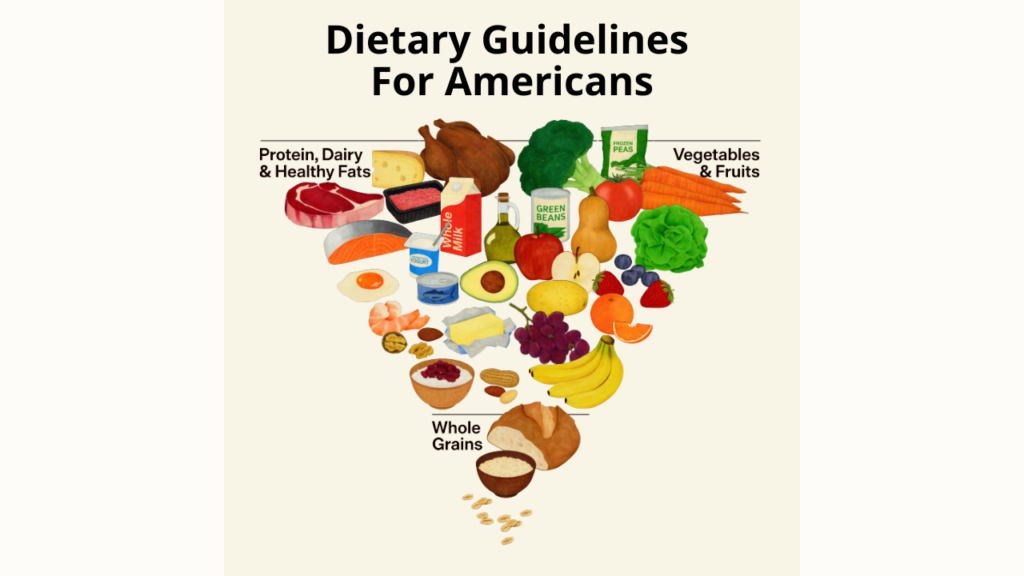
For decades, federal nutrition guidance used a simple food pyramid or plate graphic to help Americans build healthy diets. In January 2026, the U.S. Departments of Agriculture and Health and Human Services released the 2025 to 2030 Dietary Guidelines for Americans, including a new food pyramid that refocuses how we think about healthy eating for families and long-term health.
What Is the New Food Pyramid?
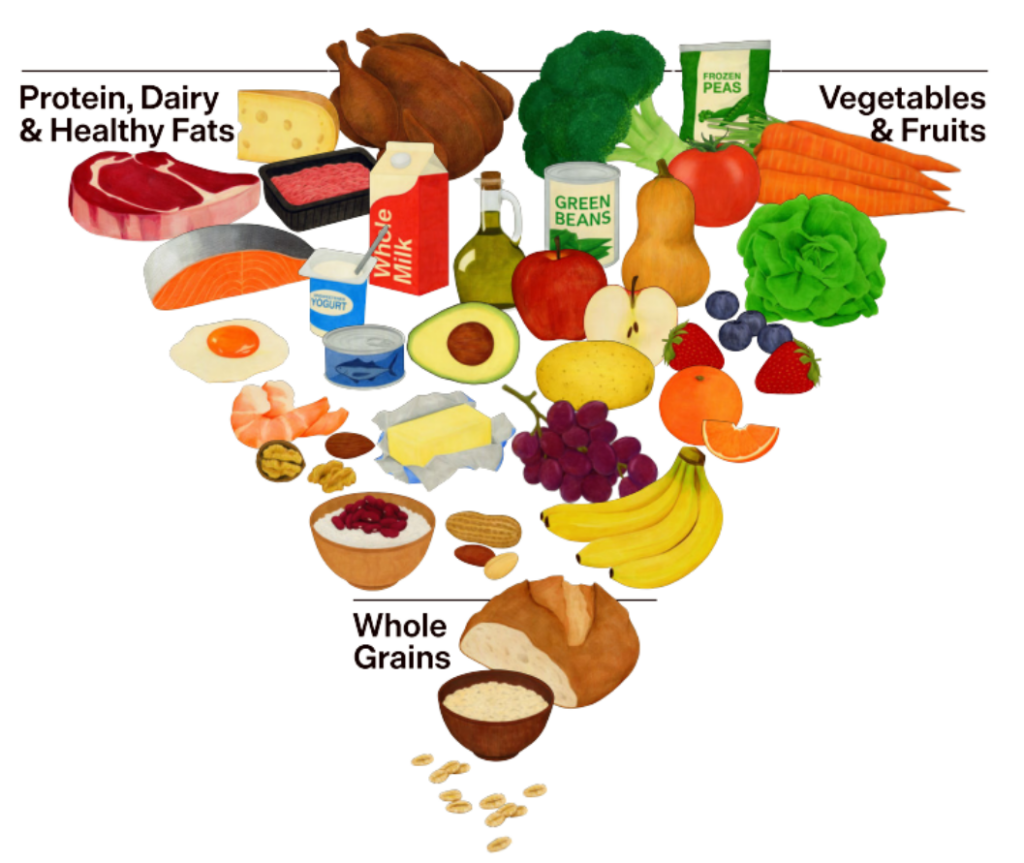
Unlike the classic pyramid of the past, the 2026 food pyramid, in combination with the most recent Dietary Guidelines, is presented in an inverted style that prioritizes whole, nutrient dense foods at the top of daily intake, including:
• High quality proteins from animal and plant sources
• Full fat dairy
• Healthy fats such as olive oil, nuts, seeds, and avocados
• A wide variety of fruits and vegetables
Whole grains still play a role but occupy a smaller position within the overall framework. This signals a greater emphasis on nutrient density and whole food quality rather than calories from refined carbohydrates.
The guidelines also recommend limiting highly processed foods, refined carbohydrates, added sugars, and sugary drinks.
Why This Matters for Your Health
Nutrition lays the foundation for long term wellbeing. The 2026 pyramid is designed to help prevent or slow the progression of chronic conditions that are common in our communities, including:
• Type 2 diabetes
• Heart disease
• High blood pressure
• Obesity
By focusing meals on real, nutrient rich foods instead of heavily processed products, you support healthier body systems and promote improved blood sugar control, cholesterol levels, and sustained energy.
How CCMH Can Support You
Understanding the most recent guidelines is valuable. But turning them into a meal plan that fits your lifestyle and health needs can be a challenge.
At CCMH, our Registered Dietitian and nutrition team provide:
• Personalized meal planning
• Nutrition counseling for diabetes and heart disease
• Practical grocery and cooking guidance
• Support for long term behavior change
If you are interested in individualized guidance for eating real, whole foods and nourishing your family, talk to your primary care provider about scheduling a nutrition visit with our team. Call 712-265-2700 or visit https://ccmhia.com/request-an-appointment/.
Healthy eating begins with small, sustainable steps, and CCMH is here to help.
(Information provided is based on guidance and research from nationally recognized health organizations, including the U.S. Department of Health and Human Services, the U.S. Department of Agriculture, and the American Heart Association.)