High blood pressure, also known as Hypertension, is often called the “silent condition” because it usually does not cause noticeable symptoms. Even without symptoms, it can increase the risk of heart disease, stroke, and other serious health problems. The good news is that small, everyday changes can make a big difference in lowering your blood pressure and improving your overall health.
Here are some simple, practical steps you can start today.
Move Your Body More
Regular physical activity is one of the most effective ways to lower blood pressure. You do not need an intense workout routine to see benefits.
Aim for about 30 minutes of moderate activity most days of the week. This could include:
- Walking
- Biking
- Swimming
- Gardening or yard work
If 30 minutes feels like too much at once, break it into smaller chunks. Even three 10-minute sessions throughout the day can help.
Eat for Heart Health
What you eat plays a major role in your blood pressure. Focus on adding more heart healthy foods and cutting back on those that can raise your numbers.
Try to:
- Eat more fruits and vegetables
- Choose whole grains instead of refined grains
- Include lean proteins like chicken, fish, beans, and nuts
- Limit foods high in salt, sugar, and saturated fats
One simple change is to read food labels and look for lower sodium options. Cooking more meals at home can also help you control what goes into your food.
Watch Your Salt Intake
Too much sodium can cause your body to hold onto extra fluid, which raises blood pressure.
A good goal is to keep sodium intake under 2,300 milligrams per day, or even lower if recommended by your provider. You can reduce sodium by:
- Avoiding processed and packaged foods
- Choosing fresh or frozen vegetables instead of canned
- Using herbs and spices instead of salt for flavor
Maintain a Healthy Weight
Even a small amount of weight loss can help lower blood pressure if you are overweight.
You do not need to aim for perfection. Losing just 5 to 10 pounds can start to make a difference. Combine healthy eating with regular activity for the best results.
Manage Stress
Stress can temporarily raise blood pressure, and over time it may contribute to long term problems.
Find ways to relax and recharge, such as:
- Deep breathing or meditation
- Spending time with family and friends
- Getting outside for fresh air
- Doing hobbies you enjoy
Even a few minutes of quiet time each day can help.
Limit Alcohol and Avoid Tobacco
Drinking too much alcohol can raise blood pressure. If you choose to drink, do so in moderation.
Tobacco use damages blood vessels and raises blood pressure. If you smoke, quitting is one of the best things you can do for your heart and overall health.
Take Medications as Directed
If your provider has prescribed medication for blood pressure, it is important to take it exactly as directed. Do not stop taking it without talking to your provider, even if you feel fine.
Medication often works best when combined with healthy lifestyle changes.
Check Your Blood Pressure Regularly
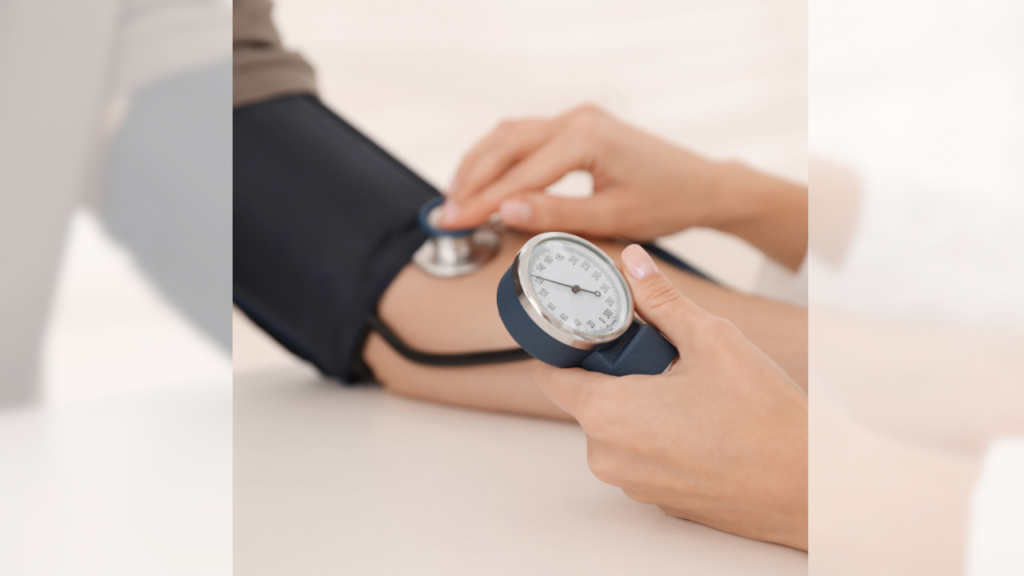
Monitoring your blood pressure helps you understand what is working and when to make changes.
You can:
- Check it at home with a blood pressure monitor
- Visit your clinic for regular checks
- Keep a log to share with your provider
Take the Next Step for Your Health
Lowering your blood pressure does not have to be overwhelming. Start with one or two small changes and build from there. Over time, these steps can lead to meaningful improvements in your health.
If you have concerns about your blood pressure or want help creating a plan that works for you, talk with your primary care provider. They can guide you, answer your questions, and connect you with helpful resources.
To schedule an appointment, call CCMH at 712-265-2700. Your health is worth it.