Animal bites can happen unexpectedly—from a family pet, a neighbor’s dog, a stray animal, or even a wild animal. While some bites may be minor, others can cause serious wounds and infections and even require treatment to prevent complications.
Knowing what to do immediately after a bite and when to seek medical care can help you respond quickly and appropriately.
What Should You Do Immediately After an Animal Bites You?
If you’ve been bitten by an animal, your priority is getting away from the animal and making sure you are safe.
Once you are in a safe location:
1. Wash the wound.
Clean the bite and area with soap and running water. A small puncture can let bacteria beneath the skin, so cleaning is important.
2. Control the bleeding.
If the wound is bleeding, apply gentle, steady pressure with a clean cloth or bandage. If bleeding is heavy or does not stop with pressure, seek emergency medical care.
3. Cover the wound.
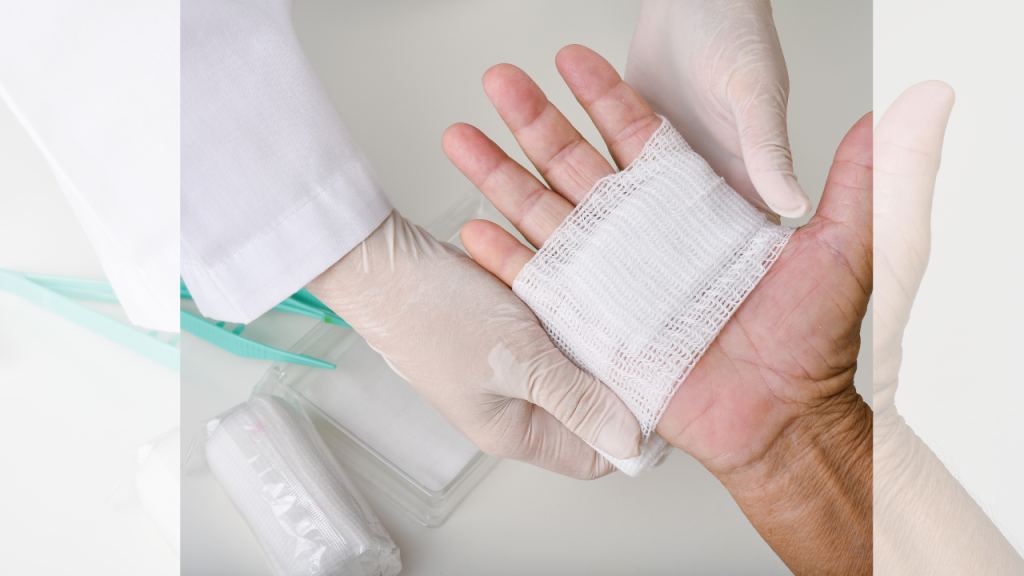
After cleaning, cover the area with a clean, sterile dressing or bandage.
4. Don’t ignore a bite because it looks small.
Some animal bites, particularly puncture wounds, can cause damage beneath the surface of the skin. Cat bites, for example, may leave small wounds that can become infected.
If you are unsure how serious the injury is, it is better to have it evaluated by a healthcare professional.
When Should You See a Doctor for an Animal Bite?
Not every animal bite requires a trip to the Emergency Room, but some should be evaluated by a healthcare provider.
Seek medical care if:
- The bite breaks the skin, especially if it is deep or puncture-like.
- The wound is on your face, hands, feet, or near a joint.
- The wound is large, deep, or difficult to clean.
- Bleeding continues despite applying pressure.
- You develop increasing redness, swelling, warmth, or pain around the wound.
- You notice drainage from the wound.
- You develop a fever or feel unwell.
- The animal is unfamiliar, stray, or wild.
- You do not know whether the animal has been vaccinated against rabies.
- You are unsure when you last received a tetanus vaccination.
Animal bites can become quickly infected, so don’t wait for symptoms to become severe before seeking medical advice.
When Should You Go to the ER?
Some animal bite injuries require emergency care.
Go to the Emergency Room if:
- You have severe or uncontrolled bleeding.
- The wound is deep, extensive, or involves significant tissue damage.
- You have numbness or difficulty moving the area you were bitten.
- The bite involves the face, eye, neck, or another sensitive area.
- You are experiencing symptoms of a severe allergic reaction, such as difficulty breathing or swelling of the face, lips, or throat.
- You have rapidly worsening swelling, redness, pain, or other signs of a serious infection.
- You may have been exposed to rabies and need urgent evaluation.
If you’re experiencing a life-threatening emergency, call 911.
What Information Should You Bring to the ER?
If you need medical attention after an animal bite, providing as much information as possible can help your healthcare team determine the appropriate treatment.
Be prepared to share:
What animal bit you:
Was it a dog, cat, wild animal, or another type of animal?
When and where the bite happened:
Knowing when the bite occurred and where it happened can be helpful when evaluating the injury and potential exposure risks.
Whether the animal is known to you:
Was it a pet or an animal belonging to someone you know?
The animal’s vaccination status:
If you know whether the animal is vaccinated against rabies, provide that information. If you don’t know, that’s important information, too.
Your vaccination history:
Tell your healthcare provider when you last received a tetanus vaccination.
Any medications or allergies:
Bring a list of your current medications and tell your healthcare provider about any medication allergies.
If the animal is unfamiliar or stray, do not attempt to capture or handle it yourself. Contact local animal control so the animal can be safely managed and evaluated.
When in Doubt, Get Medical Attention
If you’re unsure whether an animal bite needs medical attention, don’t hesitate to contact your provider. When a bite is serious, the Emergency Department at Crawford County Memorial Hospital is here to provide care when you need it.