When someone hears the words “high cholesterol,” they may immediately think they need to give up all their favorite foods. Fortunately, eating for heart health doesn’t have to mean following a complicated diet. Instead, focus on adding more foods that support your overall health and making simple swaps when you can.
Here are seven types of foods that can be part of a heart-healthy eating pattern.
1. Oatmeal and other whole grains
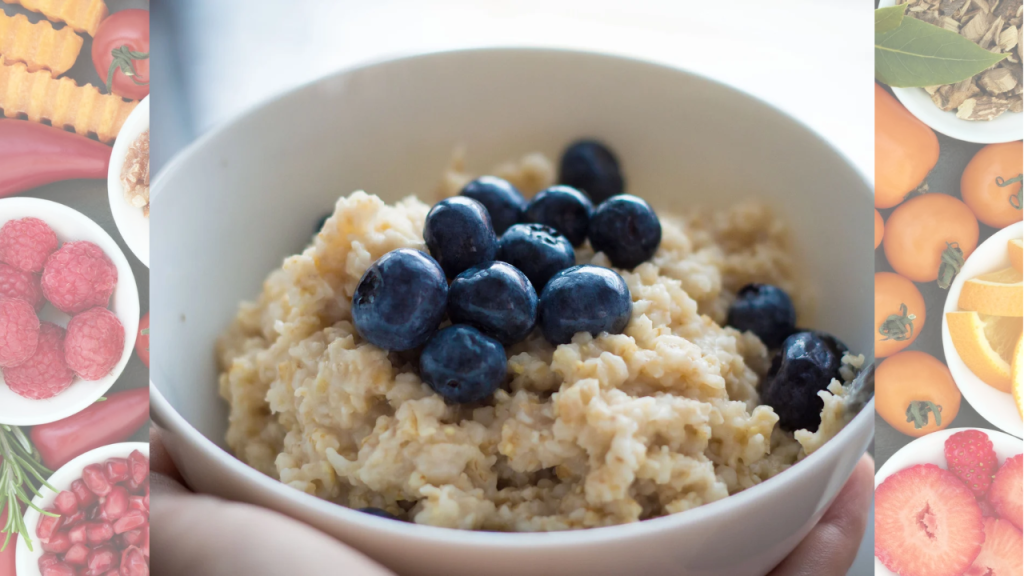
Oatmeal is a popular breakfast choice for a reason.
Oats contain soluble fiber, which can help reduce the absorption of cholesterol into your bloodstream. Other whole grains, such as barley and whole-grain breads and cereals, can also provide important fiber and nutrients.
Try starting your morning with oatmeal topped with fruit and a small handful of nuts.
2. Beans and lentils
Beans and lentils are affordable, versatile sources of fiber and plant-based protein. Try adding black beans to tacos, chickpeas to salads or lentils to soups. They can also be a simple way to replace some higher-fat protein sources in meals.
3. Fruits
Fruit provides fiber, vitamins, minerals and other nutrients. Apples, berries, oranges, pears and many other fruits can be easy additions to meals and snacks.
Try adding berries to oatmeal or yogurt, keeping fruit available for a quick snack or choosing fruit instead of a sweet treat.
4. Vegetables
You probably already know vegetables are good for you—but they can be especially helpful when you’re trying to build a heart-healthy eating pattern.
Aim for a variety of colors and types. Add spinach to eggs, vegetables to a sandwich, or extra vegetables to your favorite soup or pasta dish.
5. Nuts and seeds
Nuts and seeds provide fiber and unsaturated fats, which can be part of a heart-healthy diet.
Try adding a small handful of almonds or walnuts to a snack, sprinkling chia or flax seeds into oatmeal or adding nuts to a salad.
6. Fish and healthier sources of fat
Some fish, including salmon, tuna and trout, provide omega-3 fatty acids and can be part of a heart-healthy eating diet. When choosing fats, consider replacing foods high in saturated fats with sources of unsaturated fats, such as fish, nuts, seeds and certain plant oils.
7. Foods high in soluble fiber
Soluble fiber can help reduce cholesterol absorption. In addition to oats and beans, sources include some fruits and vegetables. You can increase your fiber intake gradually and drink plenty of water to help your body adjust.
Think swaps, not restrictions
Healthy eating doesn’t have to be all-or-nothing. Instead of thinking, “I can’t eat that anymore,” try asking: “What can I add or swap?”
Try:
- Oatmeal instead of a pastry for breakfast
- Fruit instead of a sugary snack
- Whole grains instead of refined grains
- Beans instead of some higher-fat meats
- Nuts instead of chips
- Grilled fish instead of fried foods
Food is only one piece of the puzzle. What you eat can affect your cholesterol, but it isn’t the only factor. Genetics, age, physical activity, weight, certain health conditions, and other factors can also affect cholesterol levels.
If you have high cholesterol, talk with your healthcare provider about what changes could help you. A registered dietitian can also be a helpful resource if you want more personalized guidance about food and nutrition.
Click here to see healthy recipes from our CCMH Dietary team.
This article is for educational purposes only and is not a substitute for personalized medical or nutrition advice. If you have high cholesterol or other health conditions, talk with your healthcare provider about the foods and diet that’s right for you.