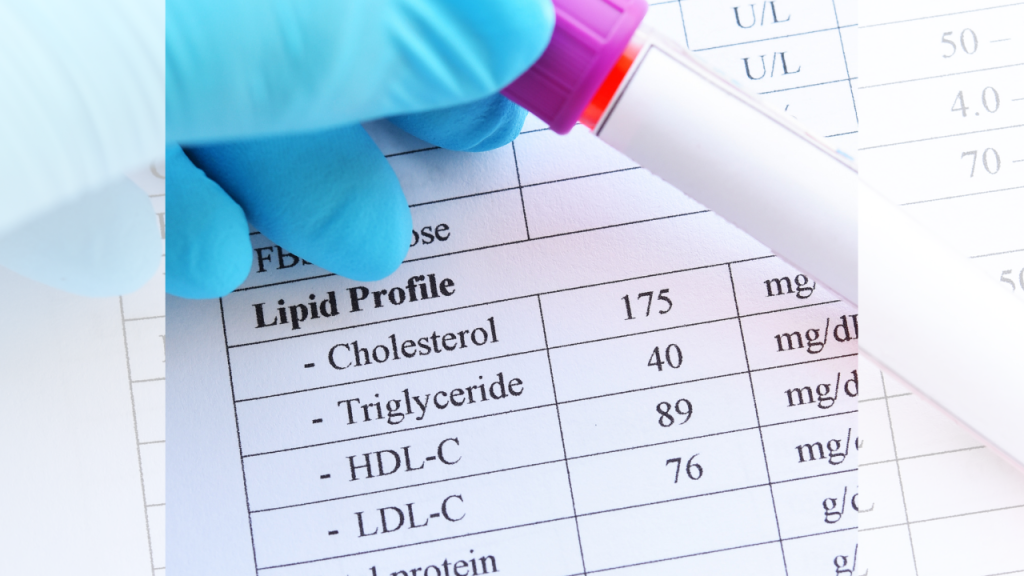
You just got your lab results back, and one of the numbers is higher than it should be.
A high cholesterol result is a reason to have a conversation with your healthcare provider, not a reason to assume something is seriously wrong.
Your provider can help you understand what your numbers mean and what steps to take that are right for you.
Your provider will look at the whole picture
Cholesterol isn’t just one number.
Your provider may look at your:
- LDL cholesterol
- HDL cholesterol
- Triglycerides
- Total cholesterol
- Blood pressure
- Family history
- Age
- Lifestyle
- Other health conditions
- Other factors that affect your cardiovascular risk
Looking at everything together gives your provider a better understanding of your heart and blood vessel health.
What can you do about high cholesterol?
Depending on your individual situation, your provider may recommend lifestyle changes, medication, or both.
Take a look at your eating habits
A heart-healthy eating pattern can help support healthy cholesterol levels.
That may include choosing more:
- Fruits and vegetables
- Whole grains
- Beans and other high-fiber foods
- Nuts and seeds
- Fish and other sources of healthier fats
It may also mean cutting back on foods high in saturated and trans fats.
You don’t have to change everything you eat overnight. Small changes to the foods you choose to eat can be a good place to start.
Get moving
Regular physical activity can support heart health and help improve several cardiovascular risk factors. Find activities you enjoy and that fit your schedule. Walking, biking, swimming, dancing or other forms of movement can all be ways to get more active.
If you’re currently inactive or have health concerns, talk with your healthcare provider about what level of activity is appropriate for you.
Maintain a healthy weight
If you’re above your healthy weight range, even modest weight loss may help improve some cholesterol and cardiovascular risk factors.
Your provider can help you determine realistic goals based on your individual health.
Don’t smoke
Smoking can damage blood vessels and increase your risk of cardiovascular disease. If you smoke, quitting is one of the most important things you can do for your overall health.
If quitting feels difficult, talk with your healthcare provider. You don’t have to do it alone.
What about cholesterol medication?
Lifestyle changes are important, but they’re not always enough.
Some people have a higher cardiovascular risk because of genetics, previous cardiovascular disease or other health factors. In those situations, medication may be recommended.
If your provider recommends medication, take it as directed and talk with them before stopping or changing your dose.
Medication and healthy lifestyle habits can work together.
High cholesterol doesn’t mean you’ve failed
It’s easy to feel discouraged when a lab result isn’t what you hoped to see. Cholesterol can be influenced by many things, including genetics, age, and health conditions. It’s not simply a reflection of whether you “eat well” or “exercise enough.”
Instead, think of your results as information.
Now you know something you didn’t know before—and you can do something with that information.
The next step is to talk with your healthcare provider and make a plan.
If your cholesterol is high, ask your provider:
- What do my numbers mean?
- What is my overall cardiovascular risk?
- What lifestyle changes would benefit me?
- Do I need medication?
- When should I have my cholesterol checked again?
You don’t have to figure it out by yourself. CCMH and our staff are here for you! To schedule an appointment to talk to your provider, call 712-265-2700.
This article is for educational purposes only and is not a substitute for personalized medical advice. Treatment decisions should be made with your healthcare provider based on your individual health and risk factors.