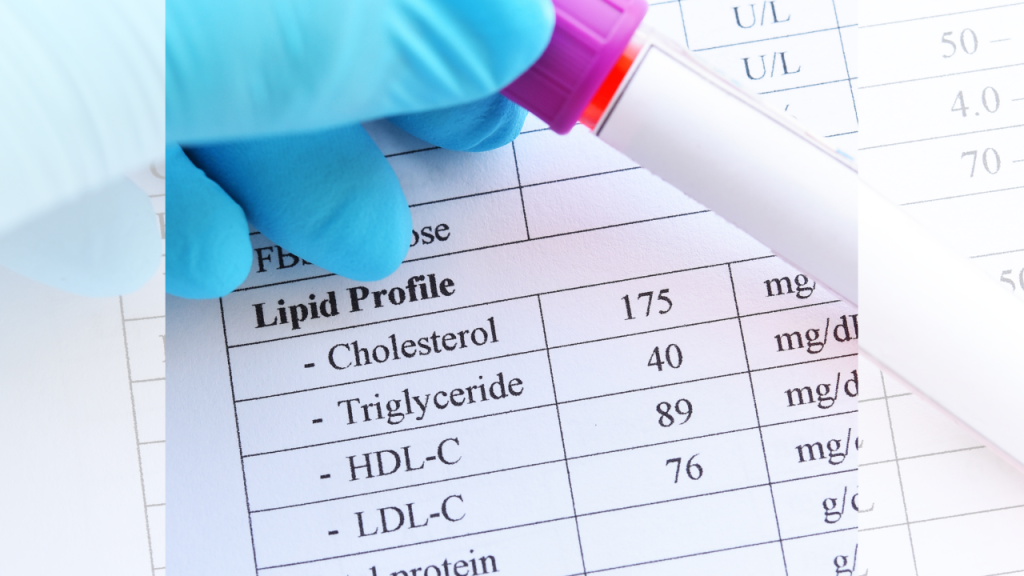
You’ve probably heard your doctor talk about cholesterol. Maybe you’ve even had your cholesterol checked during a blood test or at our quarterly wellness screening.
What do all those numbers actually mean? If you’ve ever looked at your lab results and wondered what “LDL,” “HDL” or “triglycerides” mean, you’re not alone. Understanding your cholesterol numbers can help you make more informed decisions about your heart health.
What is cholesterol?
Cholesterol is a waxy substance your body needs to work properly. Your body uses cholesterol to build cells and make certain hormones and vitamins. Cholesterol comes from two different places: your liver and the food you eat.
| Cholesterol from your liver | Cholesterol from the foods you eat |
| Your body makes the cholesterol it needs to help build cells and make some hormones. | Cholesterol is found in foods such as meat, eggs, cheese, and milk. Some of these foods may be high in saturated fat. Eating too much saturated fat can raise LDL (bad) cholesterol. |
The problem isn’t cholesterol itself. The concern is having unhealthy levels of cholesterol or other blood fats, which can increase your risk of heart disease and stroke.
Your healthcare provider looks at your cholesterol levels as part of your overall health.
What is LDL cholesterol?
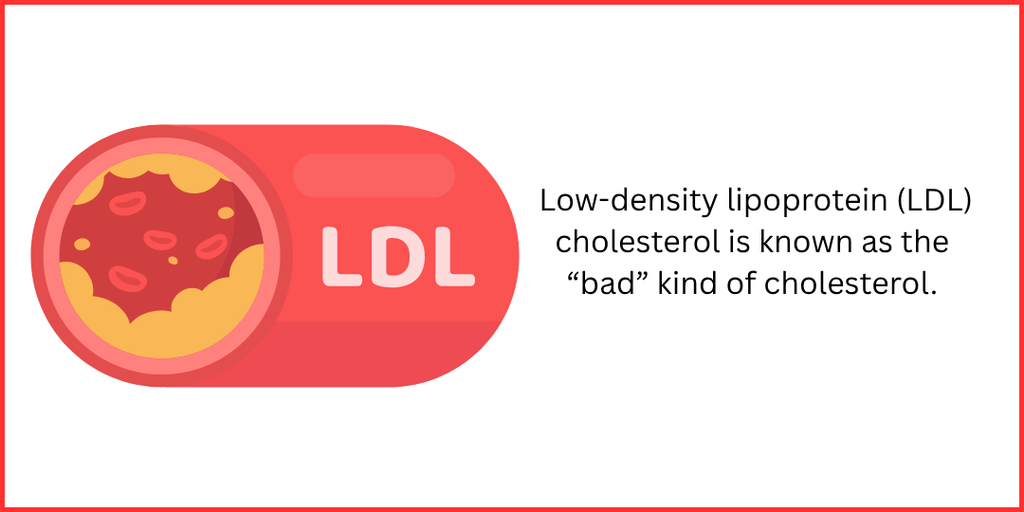
LDL stands for low-density lipoprotein. It’s often called “bad” cholesterol.
When there is too much LDL cholesterol in your blood, it can contribute to plaque buildup in your arteries. Over time, this buildup can make it harder for blood to flow through your arteries.
Higher LDL levels can increase your risk of heart disease and stroke.
What is HDL cholesterol?
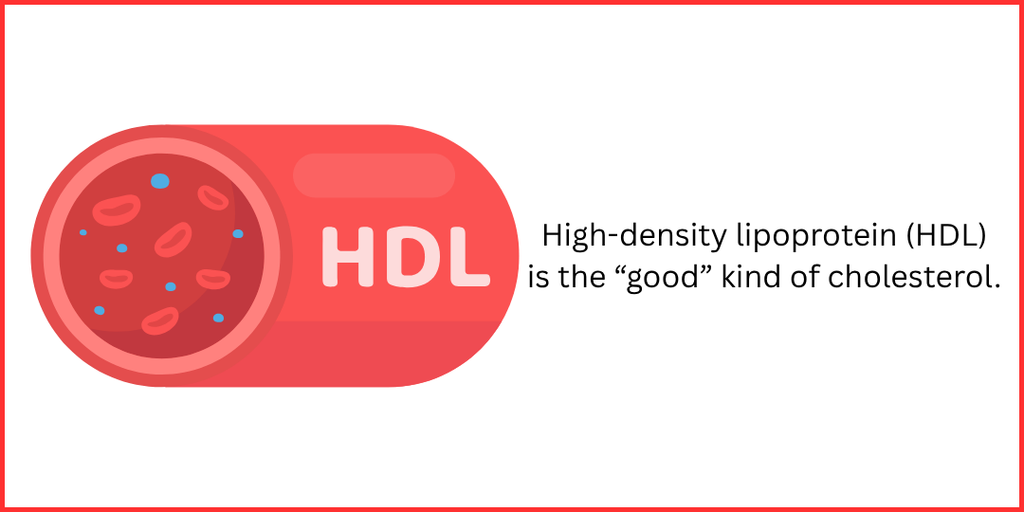
HDL stands for high-density lipoprotein. It’s often called “good” cholesterol.
HDL helps carry cholesterol away from your arteries and back to your liver, where it can be processed and removed from your body.
High levels of HDL cholesterol can reduce your risk of heart disease and stroke, but it doesn’t automatically cancel out other cholesterol or heart-health risks. Your doctor looks at your numbers together rather than focusing on just one result.
What are triglycerides?
Triglycerides are another type of fat found in your blood. Your body uses them for energy.
Your triglyceride level is affected by what you eat, how active you are, your weight, certain health conditions, and other factors.
High triglycerides can raise your risk of cardiovascular problems, especially when combined with other health risk factors.
What is total cholesterol?
Your lab results may also include a total cholesterol number. This number gives you an overall measurement, but it doesn’t tell the whole story.
Your provider may consider your LDL, HDL, and triglycerides along with other factors, such as your age, family history, blood pressure, and lifestyle, when determining your overall cardiovascular risk.
It’s important not to look at only one number.
What should my cholesterol numbers be?
There isn’t one cholesterol goal that is right for everyone.
Your ideal levels can depend on your overall health and your risk for heart disease and stroke. Someone who has already experienced cardiovascular disease, for example, may have different treatment goals than someone without those risk factors.
Instead of trying to interpret your results on your own, talk with your healthcare provider about what your numbers mean for you.
Know your numbers
High cholesterol often doesn’t cause symptoms. You can feel completely healthy and still have cholesterol levels that need attention.
Regular checkups and blood tests can help you and your provider identify potential concerns early and determine whether lifestyle changes, medication, or a combination of approaches may be appropriate for your health.
If you have questions about your cholesterol, talk with your primary care provider. Call 712-265-2700 to schedule your appointment at the CCMH Medical Clinic.
This article is for educational purposes only. Your healthcare provider can help you understand your lab results, cholesterol numbers, and cardiovascular risk.